Advancing Sustainable Aquaculture Through Science

INCAR² develops world-class scientific and technological solutions to balance the competitiveness of Chile’s aquaculture sector with social well-being and environmental sustainability.
dd6ff1f1-42dc-4b97-29b1-4575af34ea00

13+

Years of Research Excellence

8

Research Lines

5

Partners University

6

Strategis Goals

A New Era for Aquaculture Research in Chile

After 13 years of generating knowledge and excellence in human capital, FONDAP INCAR gives way to CIA INCAR² — a center focused on research to generate knowledge and technologies that balance the competitiveness of the aquaculture sector with Chile’s social well-being and environmental sustainability.
INCAR² creates vaccines, tools to reduce antimicrobial use, environmental models, and climate resilience strategies — with an emphasis on sustainable solutions, competitiveness, animal welfare, and effective transfer to the productive sector.
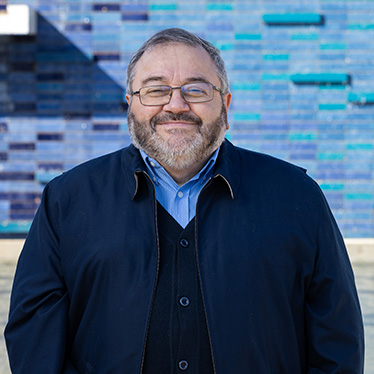
Dr. Cristian Gallardo-Escárate

Director UdeC

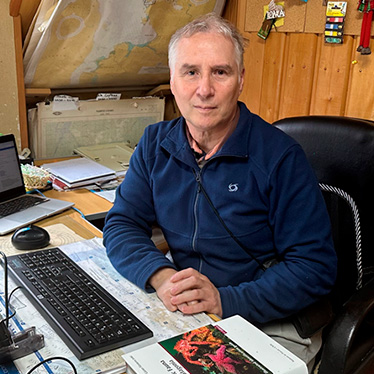
Dr. Ruben Avendaño-Herrera

Deputy Director — UNAB

Services & Innovation Areas

Driving science-based solutions for sustainable aquaculture development.
AreaServicesFuture Strategic Services
Animal Health & Welfare in Aquaculture- Molecular and microbiological pathogen diagnosis in fish
- Antigenic and genetic characterization
- Antimicrobial resistance analysis
- Vaccine and treatment effectiveness evaluation
- Monitoring of endemic pathogens (e.g., C. rogercresseyi, P. salmonis)
- Early outbreak detection
- Animal welfare and stress assessment
- Technical training for aquaculture professionals
- Vaccines against sea lice, P. salmonis, and tenacibaculosis
- DNA/mRNA-based fish vaccines
- Molecular detection of drug resistance
- Non-pharmacological treatments (feed additives)
- Advanced vaccination management and field validation
Environment & Ecosystems- Environmental impact assessment in aquaculture
- Monitoring microbial communities and organic load
- Biodiversity analysis
- Seabed studies
- Regulatory compliance consulting
- Ecosystem studies for salmon production in southern Chile
- CFD modeling for site optimization
- Data-driven ecosystem health indicators
- Innovative technologies for salmon
industry processes
Socioeconomic & Small-Scale Aquaculture- Socioeconomic diagnostics
- Economic impact studies
- Consulting for fisheries and aquaculture organizations
- Training workshops and capacity building
- Support for process formalization
- Advanced consulting in governance and market dynamics
- Diploma programs and specialized training for the salmon industry

Support Framework for Emerging Research Groups in Aquaculture

SFERA is a program designed to support emerging research groups in aquaculture by strengthening their scientific and technological capabilities. It provides support through multiple instruments, including:
The program aims to foster the consolidation of emerging research groups (ERG), enabling them to generate high-impact knowledge and contribute to innovation within the aquaculture sector.

Technology Acceleration and Transfer Platform

The Technology Acceleration Hub (INAH) is an innovation platform designed to transform scientific results into applied solutions for the aquaculture industry. Its main objective is to reduce the gap between scientific research and industrial application by facilitating:
INAH operates as a collaborative space where:

Mission, Vision & Purpose

Guiding principles that drive INCAR²’s commitment to sustainable aquaculture development in Chile and beyond.
Mission
To lead innovation and transfer solutions through world-class scientific and technological research, fostering collaboration and interdisciplinarity to enhance the sustainability and competitiveness of Chile’s aquaculture industry and support the nation’s development.
Vision
To be a global leader in applied research and innovative solutions, leading the sustainable development of aquaculture and positioning Chile at the forefront of the industry worldwide.
General Goal
To advance sustainable aquaculture development in Chile through world-class interdisciplinary research, innovation, capacity building, and collaboration while fostering knowledge transfer and global partnerships.

Eight Lines Driving Aquaculture Innovation

From next-generation vaccines to ecosystem resilience, our interdisciplinary research addresses the most critical challenges of Chilean aquaculture.

Next-Generation Vaccines for Salmon
Dr. Valentina Valenzuela-Muñoz
Develops next-generation vaccines targeting major salmon aquaculture pathogens, including Piscirickettsia salmonis and Caligus rogercresseyi, to reduce pathogen resistance generated by chemicals and antibiotics.
Recombinant Protein Vaccines
mRNA Vaccines
Oral Vaccines (BSSD)
Reverse Vaccinology
Fish Disease & Antimicrobial Resistance

Dr. Ruben Avendaño-Herrera

Develops innovative solutions to combat fish diseases and reduce antimicrobial resistance (AMR) in Chilean salmon aquaculture.
Multiplex PCR Diagnostics
In-feed Antibacterials
Phytogenics
Phage Therapy
Omics Solutions for Aquaculture
Dr. Cristian Gallardo-Escárate
Leverages cutting-edge omics technologies to strengthen pathogen management, disease resistance, and environmental adaptation in Chilean aquaculture.
Epigenetic Reprogramming
Microbiome Therapeutics
Single-Cell RNA-Seq
Multi-Omic Biomarkers
Stress & Animal Welfare
Dr. Juan Antonio Valdés
Develops non-invasive and invasive monitoring tools to improve fish welfare — from epigenetic reprogramming to enhance salmon’s viral resistance to optimizing environmental conditions for better stress tolerance.
Welfare Indicators
Stress Monitoring
Viral Resistance
Aquaculture Impacts on Ecosystems
Dr. Renato Quiñones Bergeret
Develops tools to assess and mitigate the environmental impacts of aquaculture in Chile, including oceanographic models, early warning indicators, and ecological metrics for marine and freshwater ecosystems.
Oceanographic Models
CFD Simulations
HAB Bioindicators
Benthic Restoration
Early Warning Systems
Increasing Aquaculture Resilience
Dr. Doris Soto Benavides
Develops tools and mechanisms to strengthen aquaculture resilience and reduce ecosystem impacts, especially under climate change, including dynamic risk mapping and biodiversity baseline models.
Traffic Light System (TLS)
Climate Risk Mapping
Benthic Biodiversity Models
Sustainable Interactions: Aquaculture, Fisheries & Ecosystems
Dr. Carlos Molinet Flores
Develops Restorative Aquaculture Protocols to conserve and restore benthic species while supporting coastal communities through participatory methods and bioeconomic evaluations.
Restorative Protocols
Climate Risk Mapping
HAB Monitoring
Bioeconomic Evaluation
Governance & Market Dynamics
Dr. Carlos Chávez Rebolledo
Addresses aquaculture’s socioeconomic challenges, governance, and market dynamics with a focus on sustainability, resilience, climate adaptation, and cost-effective sanitary practices.
Governance Tools
Socioeconomic Assessments
Regulatory Analysis
Climate Adaptation

Six Specific Goals Driving Our Impact

From world-class research to global collaboration, our strategic objectives shape the future of sustainable aquaculture in Chile.

1
World Class Research
Conduct interdisciplinary and collaborative scientific and technological research, nationally and internationally, to address the critical challenges of aquaculture in Chile.
2
Innovative Solutions
Develop and implement innovative solutions contributing to productive diversification by co-developing new knowledge, technologies, products, processes, and services.
3
Capacity Building
Train and support advanced capacity building for research and technology transfer, enabling workforce integration into the aquaculture sector and enhancing its capacity for innovation.
4
Collaborative Networks
Strengthen collaboration among emerging research groups in Chile, foster sustainable aquaculture, and accelerate the development of new technological services and products.
5
Effective Dissemination
Effectively disseminate INCAR²’s research outcomes and insights to specialized audiences and broader sectors of Chilean society, fostering greater awareness of sustainable aquaculture.
6
Global Partnerships
Build and enhance national and international networks for collaboration in sustainable aquaculture, facilitating the exchange of expertise, resources, and best practices.

Technologies & Contributions

INCAR² delivers tangible scientific and technological solutions that transform Chile’s aquaculture sector.
Next-Gen Vaccines
Recombinant, mRNA, and oral vaccine platforms targeting major salmon pathogens — reducing reliance on antibiotics.
Diagnostic Tools
Multiplex PCR kits, omics biomarkers, and early warning models for rapid, cost-effective disease detection.
Environmental Models
CFD simulations, traffic light systems, and climate risk mapping for sustainable aquaculture planning.
Animal Welfare
Stress monitoring tools, welfare indicators, and microbiome-based therapeutics for healthier fish and better outcomes.

Collaboration Across Chile's Leading Universities

INCAR² brings together four leading Chilean universities and is supported by ANID, fostering interdisciplinary collaboration for aquaculture innovation.

Collaborate with INCAR²

Join our network of researchers, industry partners, and institutions working together to shape the future of sustainable aquaculture in Chile and worldwide.